
FR4 Press Plates for Copper Foil Protection
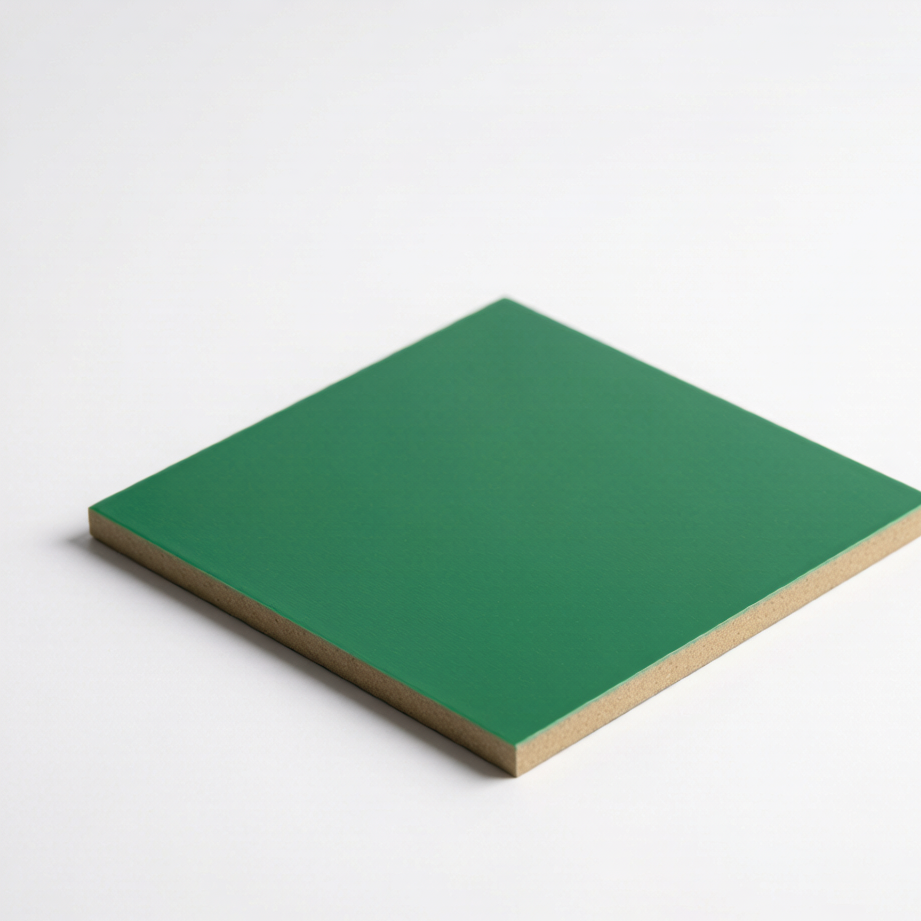
FR4 press plate for CCL enables precise pressure and temperature control during copper clad laminate lamination. Custom optimized press plates effectively improve finished product consistency and reduce production defect rates.
FR4 press plate for CCL Characteristics
FR4 laminates use epoxy resin reinforced with woven glass fiber, providing an excellent balance of electrical insulation, mechanical strength, and manufacturing cost.
Typical characteristics include:
- Moderate glass transition temperature (Tg 130–140°C)
- Excellent electrical insulation
- Stable mechanical performance
- Good processability for multilayer PCB production
- Wide compatibility with standard lamination equipment
Because FR4 is produced in large volumes, manufacturers place significant emphasis on production consistency, copper surface quality, and manufacturing efficiency.
Surface Requirements
Unlike High Tg production, the primary concern in FR4 lamination is protecting the copper foil surface throughout the pressing cycle.
Any imperfections transferred from the press plate can directly affect the finished laminate surface.
Key quality requirements include:
- Mirror-Level Surface Finish
- Uniform Contact Surface
- Excellent Release Performance
- Surface Cleanliness
Critical Pressing Parameters
Consistent laminate quality depends on maintaining stable process parameters throughout the press cycle.
Pressure Uniformity
Even pressure ensures complete resin flow and reliable bonding between prepreg and copper foil.
Poor pressure distribution may result in:
- Resin starvation
- Resin-rich areas
- Incomplete bonding
- Thickness variation
Controlled Resin Flow
Proper pressure allows epoxy resin to flow evenly without excessive squeeze-out.
Optimized resin flow helps achieve:
- Uniform laminate thickness
- Stable dielectric properties
- Improved interlayer adhesion
Surface Flatness
A flat press plate supports consistent panel thickness and minimizes localized deformation.
Typical targets include:
- Better thickness consistency
- Reduced panel waviness
- Improved panel flatness
Stable Production Repeatability
Maintaining consistent press plate performance over repeated production cycles helps manufacturers achieve predictable product quality and reduce process variation.
Surface Defect Reduction

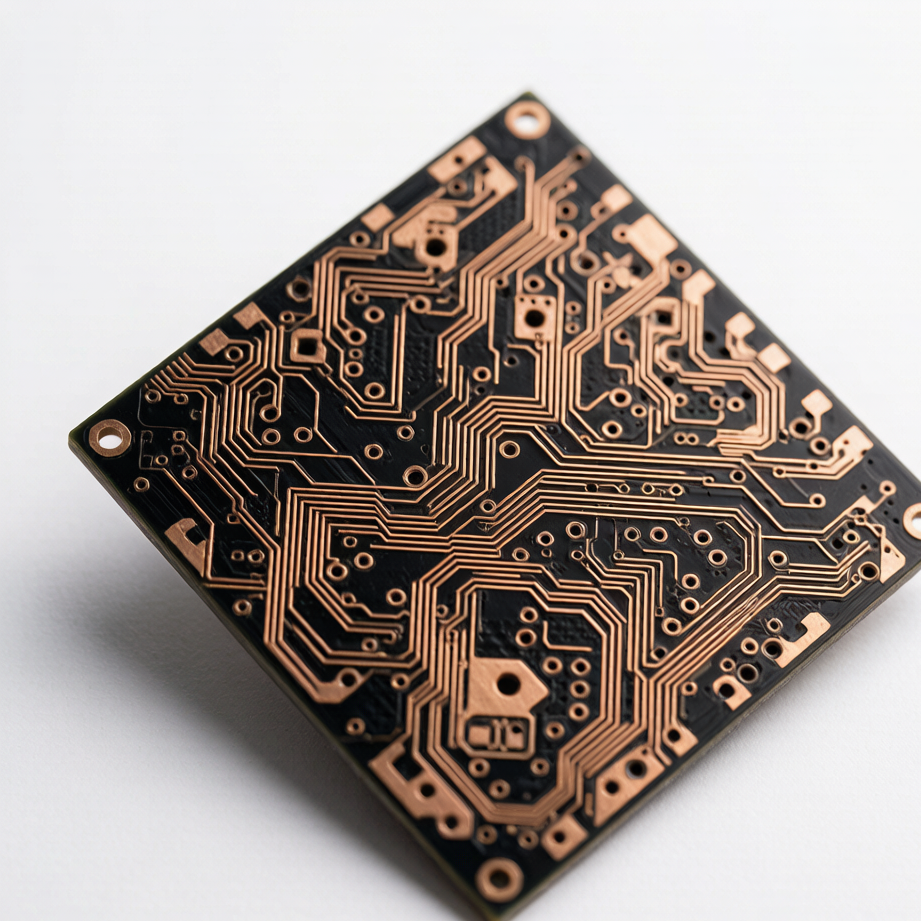
Using precision-engineered press plates helps reduce many of the common cosmetic and bonding defects encountered during FR4 lamination.
Common Production Issues
| Common Defect | Possible Cause |
|---|---|
| Copper foil scratches | Rough or damaged press plate surface |
| Surface dents | Localized pressure concentration |
| Resin overflow | Poor pressure distribution |
| Surface contamination | Particle transfer during pressing |
| Thickness variation | Uneven panel support |
| Gloss inconsistency | Non-uniform surface finish |
| Bonding defects | Inconsistent resin flow |
Typical Quality Improvements
By optimizing press plate surface finish and pressure consistency, manufacturers commonly achieve measurable improvements in laminate appearance and process stability.
| Performance Indicator | Conventional Press Plate | Optimized FR4 Press Plate |
|---|---|---|
| Copper Surface Defects | Baseline | Reduced by 30–50% |
| Surface Scratch Rate | Baseline | Reduced by 40–60% |
| Thickness Consistency | ±8–10% | ±3–5% |
| Resin Flow Uniformity | Medium | High |
| Cosmetic Defects | Baseline | Reduced by 25–45% |
| Production Yield | 93–96% | 97–99% |