
HPL Press Plates for Decorative Laminate Manufacturing
HPL Press Plates serve the production of high-pressure fire-resistant decorative laminates. During lamination, they transfer heat and pressure while replicating surface textures, enabling the fabrication of premium decorative fireproof panels with uniform appearance and long-lasting performance.
What is HPL Press Plates
HPL (High Pressure Laminate) press plates are precision stainless steel plates used during decorative laminate production to transfer heat, pressure, and surface texture to the laminate sheet. Unlike PCB or CCL applications, HPL manufacturing focuses on achieving consistent decorative appearance, accurate texture reproduction, and long-term surface durability.
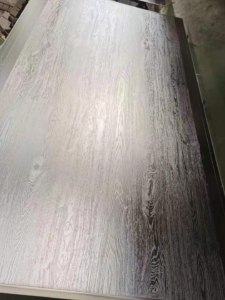
Surface Pattern Gallery
- Wood Grain
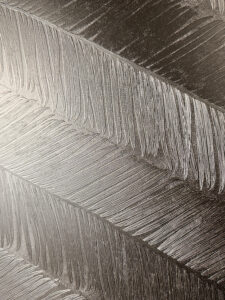
- Stone Texture
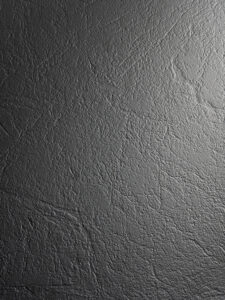
- Leather Texture
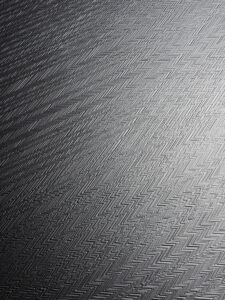
- Custom Texture

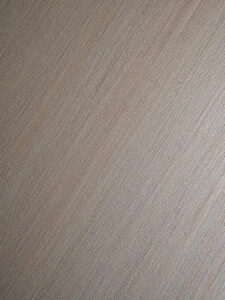
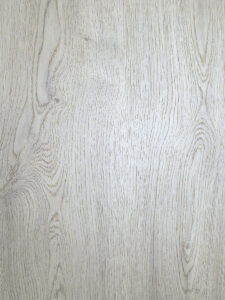

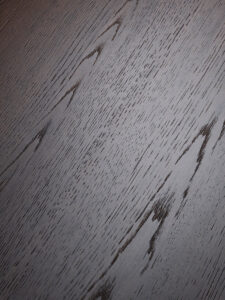
Engineering Performance Comparison
Engineered for Decorative Lamination Performance
Unlike general industrial press plates, HPL press plates are designed to reproduce decorative surfaces while maintaining stable mechanical performance throughout continuous production.
Key Performance Characteristics
| Performance | Product Advantage | Customer Benefit |
| High Surface Accuracy | Consistent decorative texture transfer | Uniform panel appearance |
| Excellent Wear Resistance | Reduced surface wear after repeated cycles | Longer service life |
| Stable Heat Distribution | Uniform temperature across the plate | Stable production consistency |
| High Hardness | Better resistance to scratches and indentation | Lower maintenance frequency |
| Dimensional Stability | Maintains flatness during thermal cycling | Consistent laminate quality |
Engineering Performance Comparison
| Parameter | Standard Industrial Plate | ZORI HPL Press Plate* |
| Surface Roughness | Ra 0.10–0.15 μm | Ra 0.02–0.05 μm |
| Hardness | HRC 38–42 | HRC 46–50 |
| Flatness | ≤0.15 mm/m | ≤0.08 mm/m |
| Wear Resistance | Standard | Enhanced |
| Surface Finish Options | Limited | Mirror / Matte / Satin / Embossed |
Technical Specifications
Precision Manufacturing Specifications
| Item | Typical Capability |
| Material | High-grade stainless steel |
| Thickness | Customized |
| Width & Length | Customized |
| Surface Finish | Mirror / Matte / Satin / Embossed |
| Surface Roughness | According to finish requirement |
| Flatness | Precision controlled |
| Hardness | Heat-treated according to application |
To meet your unique production needs, we can adjust all custom specifications according to your hot press size, lamination workflow and target decorative surface finishes.
Unlike press plates that only focus on the replication of decorative textures, we design PCB press plates to prioritize the rigorous manufacturing precision modern electronic production lines require.
Quality Inspection
Each PCB press plate undergoes multiple inspection procedures before delivery.
| Inspection | Purpose |
|---|---|
| Material Verification | Confirm material quality |
| Thickness Inspection | Verify machining accuracy |
| Flatness Measurement | Ensure surface precision |
| Surface Roughness Testing | Maintain polishing consistency |
| Hardness Testing | Verify heat treatment quality |
| Visual Inspection | Detect surface defects |
| Final Packaging Inspection | Protect products during transportation |
Strict inspection standards help maintain stable product quality and manufacturing consistency.
Compatible Applications
HPL press plates are widely used in the production of:
- Decorative Furniture Panels
- High Pressure Laminates
- Compact Laminates
- Interior Wall Panels
- Kitchen Countertops
- Laboratory Worktops
- Commercial Furniture
- Office Furniture
- Decorative Building Materials
Product Differentiation
How HPL Press Plates Differ from Other Lamination Press Plates
First of all, every lamination sector sets distinct performance priorities for its core equipment. Unlike press plates for circuit board manufacturing that chase precise dimensional tolerances, we specially engineer HPL press plates to prioritize flawless decorative surface effects.
| Performance Priority | PCB Press Plates | CCL Press Plates | HPL Press Plates |
| Primary Objective | Multilayer registration | Lamination stability | Decorative surface replication |
| Surface Texture | Mirror only | Mirror | Mirror / Matte / Satin / Embossed |
| Flatness Priority | Very High | High | High |
| Surface Finish Variety | Limited | Limited | Extensive |
| Wear Resistance | High | High | Very High |
| Decorative Capability | None | None | Excellent |
This comparison highlights why HPL press plates are specifically engineered for decorative laminate production rather than general industrial lamination.
inspection & Quality Verification
Every Press Plate Verified Before Delivery
To ensure stable production performance, each HPL press plate is inspected throughout the manufacturing process.
Inspection items include:
| Inspection Item | Verification Purpose |
| Material Verification | Confirm material consistency |
| Thickness Inspection | Verify machining accuracy |
| Flatness Measurement | Ensure uniform contact surface |
| Surface Roughness Test | Confirm decorative finish quality |
| Hardness Testing | Verify wear resistance |
| Visual Inspection | Detect surface imperfections |
Frequently asked questions
Q1: What is the difference between mirror HPL press plates and embossed HPL press plates?
To start with, mirror press plates deliver ultra-high-gloss surfaces on finished laminates. By contrast, embossed press plates imprint distinctive textures—including wood grain, stone vein and leather patterns—directly onto laminate panels.
Q2: Can we customize HPL press plates?
Absolutely. First off, clients may tailor dimensions, plate thickness, surface treatments and texture patterns. Beyond these items, we adjust all other technical specs to perfectly match each customer’s unique production standards.
Q3: Which surface finish works best for decorative furniture panels?
This selection hinges entirely on your target visual style. For one thing, mirror finishes fit all high-gloss finished goods perfectly. For another, manufacturers widely pick matte, satin and embossed textures for indoor decorative furniture projects.
Q4: How do we check and guarantee consistent surface quality?
Throughout every production stage, our inspectors test four core indicators step by step: surface roughness, flatness, hardness and overall visual effect. In turn, these full-range checks keep every batch’s surface quality uniform and stable.