
Stainless Steel Press Plates for PCB Manufacturing
Stainless Steel Press Plate for PCB manufacturers relies heavily on dimensional precision to ensure accurate circuit patterning and consistent, reliable electrical performance of finished boards. ZORI stainless steel hot press plates engineered exclusively for PCB lamination deliver stable pressing performance, maintain consistent dimensional uniformity throughout the entire production cycle, and stabilize yield quality during mass production.
PCB Types
The PCB industry manufactures a wide range of circuit boards to meet different electrical and mechanical requirements.
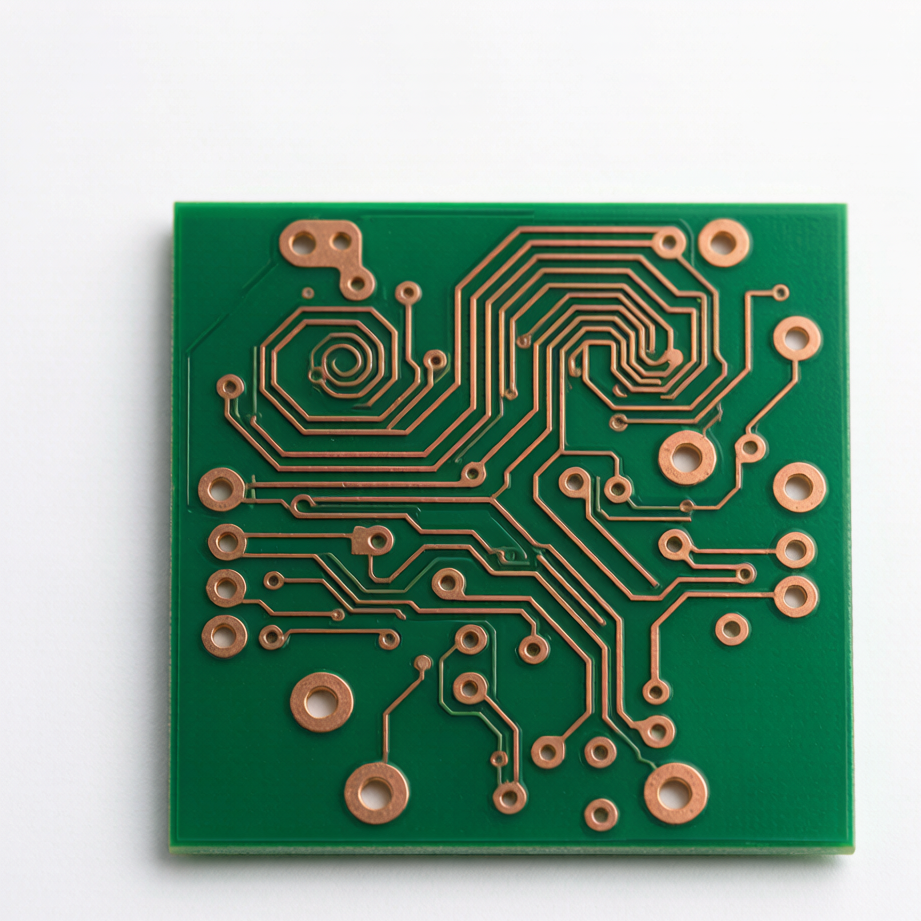
Single-Sided PCB
Features conductive circuitry on one side of the substrate and is commonly used for simple electronic products with lower circuit density.
1
Typical Applications
- Household appliances
- Consumer electronics
- LED lighting
- Power supplies
2
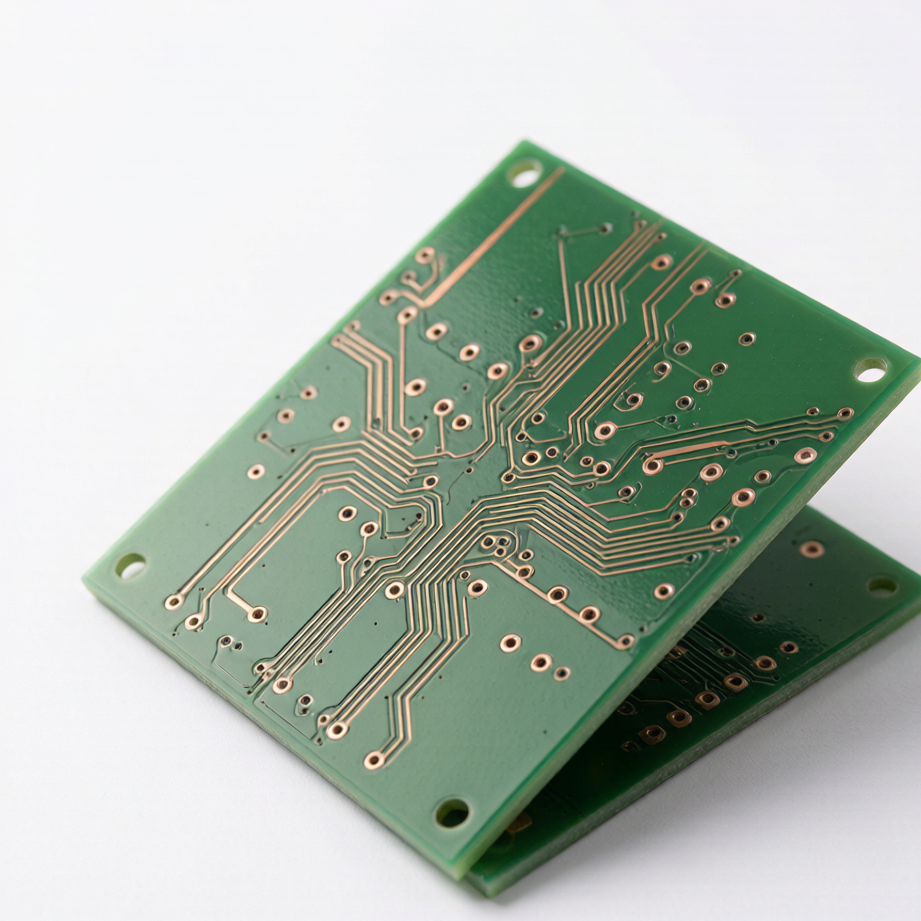
Double-Sided PCB
Luxury Vinyl Tile (LVT) combines attractive decorative designs with excellent comfort and wear resistance. It is available in a wide range of wood, stone, and custom decorative finishes while providing easy installation and maintenance.
1
Typical Applications
- Industrial controllers
- Automotive electronics
- Communication equipment
- Security systems
2
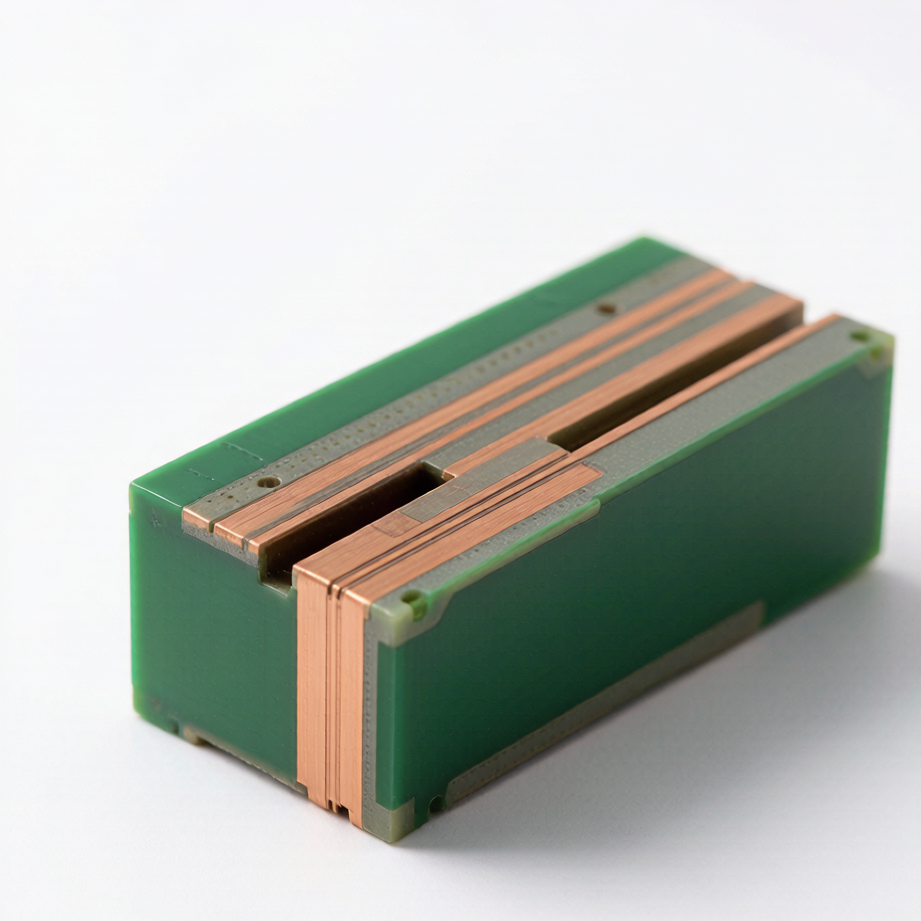
Multilayer PCB
Multilayer PCBs consist of multiple conductive layers laminated together into a single structure. They offer higher circuit density, improved signal integrity, and enhanced electrical performance.
1
Typical Applications
- Servers
- Networking equipment
- Medical devices
- Aerospace electronics
- High-end communication systems
2
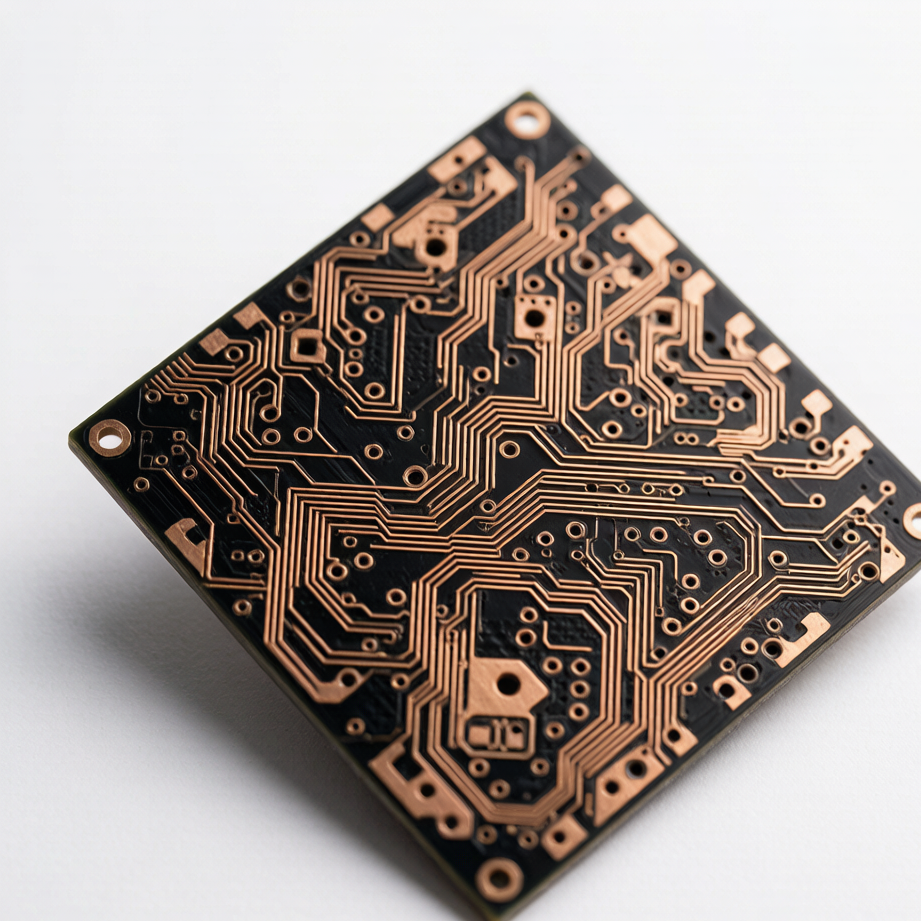
HDI PCB (High Density Interconnect)
HDI PCBs utilize microvias, fine traces, and higher wiring density to support compact electronic products with increased functionality.
1
Typical Applications
- Smartphones
- Tablets
- Wearable devices
- AI hardware
- High-performance computing
2
Production Process
PCB manufacturing requires highly controlled processes to achieve accurate circuit formation and reliable multilayer bonding. Among all production stages, lamination directly determines board thickness, dimensional stability, and layer registration.
During lamination, stainless steel press plates are positioned between the heating platen and PCB stack-up, transferring heat and pressure evenly throughout the entire pressing cycle.
Stable pressing conditions help manufacturers maintain consistent product quality while minimizing process variation.
Quality Requirements
Modern PCB manufacturers must satisfy increasingly stringent quality standards to support advanced electronic applications.
| Requirement | Production Importance |
|---|---|
| Dimensional Stability | Maintains accurate board dimensions after lamination |
| Layer Registration | Ensures precise alignment between multiple circuit layers |
| Thickness Consistency | Supports accurate drilling and plating processes |
| Surface Flatness | Reduces board warpage during assembly |
| Thermal Stability | Maintains performance during repeated heating cycles |
| Uniform Pressure Distribution | Improves multilayer bonding consistency |
| Surface Quality | Prevents scratches and surface defects during lamination |
Industry Challenges
As PCB technology advances toward higher layer counts, finer circuit patterns, and greater manufacturing precision, production challenges continue to increase.
- Yield Consistency
- Layer Misalignment
- Board Warpage
- Thickness Variation
- Thermal Expansion
- Surface Defects
Recommended Press Plates
| Recommended Product | Primary Benefit | Typical Application |
|---|---|---|
| PCB Press Plates | Ultra-high flatness and dimensional stability | Standard multilayer PCB |
| Mirror Finish PCB Press Plates | Superior surface precision | HDI PCB and fine-line PCB |
| High Precision Press Plates | Stable thickness control | Automotive and communication PCBs |
| Ultra Flat Press Plates | Excellent registration accuracy | High-layer-count PCBs and IC substrates |